Periodontal Flap Surgery (D4260), Bone Grafts & $10,000 Annual Cap Protection
Last reviewed 2026-11-22 · By Carlos A. Torres Jr., licensed insurance producer · NCD Agent ID #1024251 · Editorial standards
Quick answer
Under NCD Complete, periodontal surgery such as osseous flap surgery (D4260 / D4261) is a Major (Type C) service limited to 1 per quadrant in any 36-month period. The plan pays 10% of the allowed charge in Year 1, 50% in Year 2 and 60% from Year 3 after the $100 lifetime deductible, up to the $10,000 annual maximum.
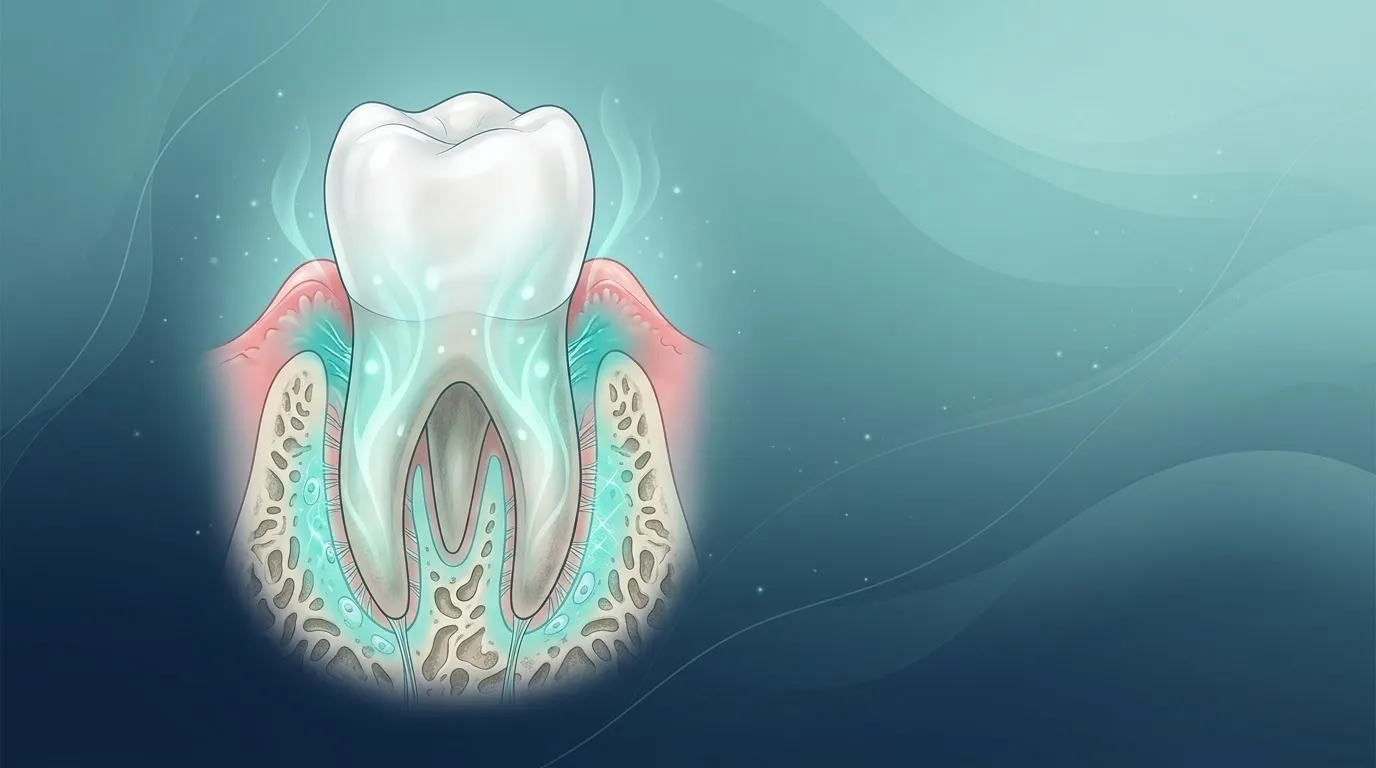
When Non-Surgical Deep Cleanings Aren’t Enough
If 6mm+ periodontal pockets persist after scaling and root planing, a periodontist typically recommends Osseous Flap Surgery (D4260 for 4+ teeth per quadrant, or D4261 for 1–3 teeth per quadrant) alongside Guided Tissue Regeneration or Bone Replacement Grafts (D4263 / D4264) to halt vertical bone loss and save natural molars.
In 2026, osseous surgery averages $1,000 to $3,000 per quadrant uninsured, while bone grafts add $400 to $1,200 per site. Treating just two quadrants of advanced periodontitis easily generates a $4,500 to $7,500 treatment plan, which can exceed the annual maximum on many individual dental plans.
How a $10,000 Annual Maximum Protects Complex Periodontal Surgery
NCD Complete by MetLife, available through MaxCapDental.com, gives surgical periodontal patients a $10,000 per-person calendar-year maximum:
- Immediate Eligibility ($0 Waiting Period): Periodontal surgery (1 per quadrant in any 36-month period) and non-surgical periodontics are payable from your policy start date under Type C Major.
- Coinsurance rises by plan year: Type C Major coinsurance scales from 10% in Year 1 to 50% in Year 2 and 60% in Year 3+ (after a single $100 one-time lifetime deductible). Your periodontist, not the insurance calendar, should decide when each quadrant is treated; ask for a staged treatment plan and written estimates.
Worked example (hypothetical)
Suppose two quadrants of osseous surgery have an allowed total of $4,000.
| Plan year | Plan pays | You pay |
|---|---|---|
| Year 1 | $390 | $3,610 |
| Year 2 | $2,000 | $2,000 |
| Year 3 and later | $2,400 | $1,600 |
Hypothetical charges, not a quote. Year 1 assumes the $100 lifetime deductible has not been met. Premiums are not included. Periodontal surgery is limited to 1 per quadrant in any 36-month period.
Before you schedule
Ask your periodontist for the CDT codes and fee for each quadrant and any bone graft, whether they are in the plan’s network, and a pre-treatment estimate (predetermination) from the plan. Whether and when to stage treatment is a clinical decision for the periodontist. Record the answers on the estimate worksheet, compare reported prices on the dental costs page, and see deep cleaning coverage for the non-surgical step that usually comes first.
Estimate your own numbers in the calculator.
Benefit at a glance (NCD Complete)
| Service | Class | Plan pays | Limit |
|---|---|---|---|
| Periodontal surgery | Major (Type C) | 10% / 50% / 60% (Year 1 / 2 / 3+) | 1 per quadrant in any 36 month period |
| Scaling & root planing | Major (Type C) | 10% / 50% / 60% (Year 1 / 2 / 3+) | 1 per quadrant in any 24 month period |
Source: NCD Complete product overview. Percentages apply after the $100 lifetime deductible on Basic and Major services, up to the $10,000 annual maximum. Uninsured cost ranges in this guide are not what the plan pays.
Common questions
Is gum surgery covered by NCD Complete?
Periodontal surgery is a Major benefit, limited to 1 per quadrant in any 36-month period, paying 10% in Year 1, 50% in Year 2 and 60% from Year 3 after the $100 lifetime deductible.
What does osseous surgery cost without insurance?
Gemini's research records report about $1,000 to $3,000 per quadrant, with bone grafts adding $400 to $1,200 per site. Prices vary.
How often is gum surgery covered?
NCD's overview limits periodontal surgery to 1 per quadrant in any 36-month period.
See what NCD Complete would cost you
Your rate depends on your ZIP code and is shown on NCD’s official enrollment site, where you can read the plan terms before you enroll. To find out whether your dentist is in the MetLife PDP Plus network, ask the dentist’s office before treatment.
Marketed in: California, Florida, Michigan, Nevada, Ohio, South Carolina.